Protecting First-Lactation Heifers Through the Transition Period
First-lactation heifers need protected feed access, low-stress grouping, and targeted support for uterine recovery to preserve fertility and lifetime herd potential.
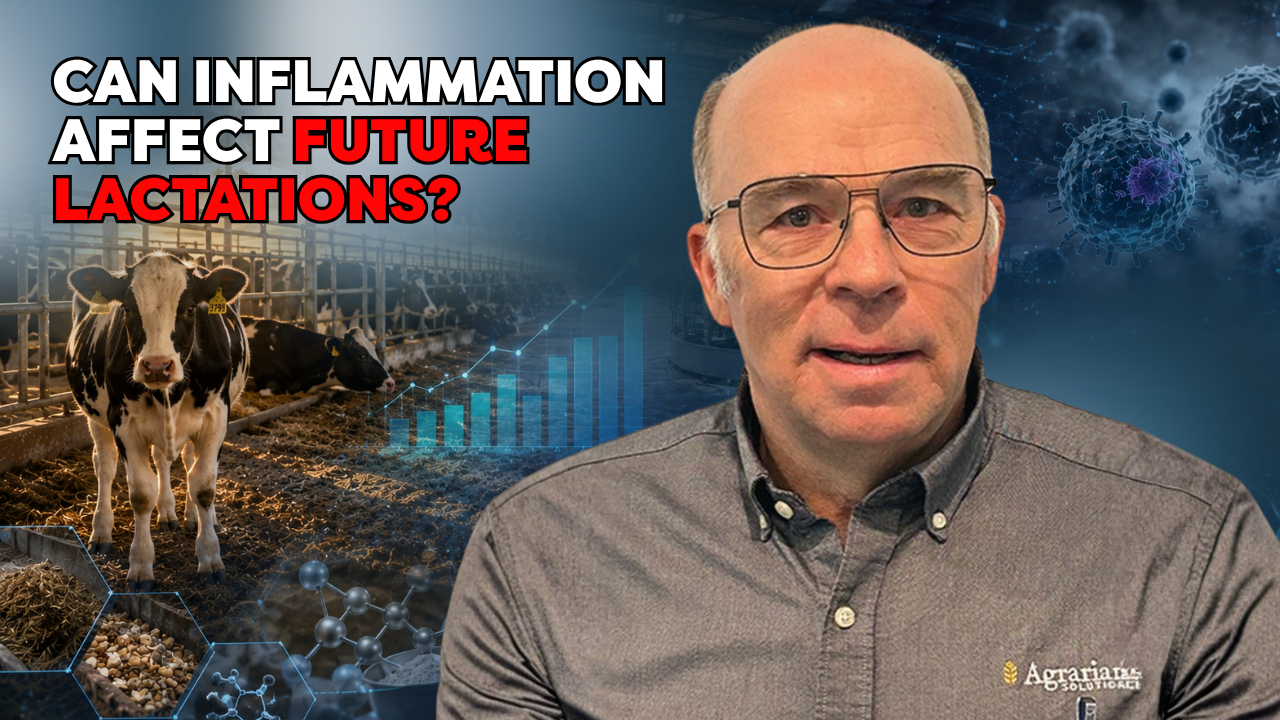
First-lactation heifers enter calving with an unusual combination of biological value and biological pressure. They represent the herd’s newest genetics, yet they must continue growing while adapting to lactation, a more energy-dense ration, a new social environment, and the inflammatory demands of uterine recovery. At the same time, dry matter intake commonly declines before calving and remains depressed afterward.
This mismatch between nutrient supply and competing demands is what makes the first transition period distinct. When feed access, grouping, or recovery from calving adds further pressure, nutrients may be redirected from milk production, growth, and reproduction toward immune defense and tissue repair. Protecting these animals therefore requires more than applying the same fresh-cow program used for older cows.
Why the First Transition Is Different
Several changes occur for the first time during this period. The mammary gland begins colostrum and milk production, the digestive tract adapts to the post-fresh diet, and the animal encounters competitive housing conditions that may be unfamiliar. First-lactation heifers may be grouped with larger, socially dominant cows before or after calving, reducing their opportunity or willingness to eat precisely when nutrient demand is accelerating.
Continued body growth adds another requirement that mature cows do not share to the same degree. Nutrients must support growth alongside maintenance, lactation, immune activity, and reproductive recovery. Difficult calving can intensify this pressure, while lower intake narrows the margin available to meet it.
These conditions help explain why a first-lactation animal should not be viewed simply as a smaller mature cow. Her physical size, social experience, intake pattern, and allocation of nutrients create a transition profile that needs its own management attention.
Feed Intake Is the First Management Lever
Dry matter intake sits at the center of the transition challenge because it determines how much nutritional support is available for every competing function. Reduced intake begins during the close-up period and may persist after freshening. Housing pressure can compound the reduction if heifers must compete with older cows for bunk space or comfortable resting areas.
The practical objective is to remove avoidable constraints on consumption. Adequate bunk space, consistent access to a palatable ration, thoughtful grouping, and minimizing social disruption can help create conditions in which heifers are more likely to eat. Separate or protected grouping may be especially relevant where mature cows displace younger animals at the feed bunk.
Feed intake is not only a production concern. An animal that consumes less has fewer nutrients available for immune responses, uterine repair, continued growth, and the onset of ovarian activity. This is why housing and feeding decisions during the close-up and fresh periods can influence outcomes well beyond early milk yield.
Uterine Recovery Competes for Nutrients
After calving, the uterus must shrink substantially, regenerate tissue, repair the sites affected by parturition, and respond to bacterial exposure. This process can be understood as wound repair occurring in an environment where infection risk is present. It requires coordinated immune activity and a meaningful supply of nutrients.
For a first-lactation heifer, uterine recovery occurs alongside the simultaneous demands of continued growth and adaptation to the first lactation. The immune system must recognize and control pathogens while the animal is simultaneously adapting to lactation. If inflammation persists or develops into metritis, acute immune demands can further suppress appetite and redirect glucose and other nutrients toward defense.
That nutrient reallocation creates a cascade. Milk production, follicular development, tissue growth, and body-reserve preservation all compete with the immediate priorities of supporting immune defense and restoring tissue function. When energy demand exceeds intake, the animal may mobilize body tissue more aggressively, which may coincide with greater body-reserve mobilization and increased risk of postpartum metabolic disorders, including ketosis.
Metritis Can Extend Beyond the Fresh Period
Although the relationship between parity and transition disorders varies, some large datasets have reported relatively high metritis incidence among first-lactation animals. One 2023 analysis involving approximately 28,000 cows across Australia, Canada, and the United States reported this parity pattern. Incidence remains multifactorial, with calving difficulty, retained placenta, housing, environment, and herd management among the factors that can shape risk.
The consequences are not limited to the initial uterine infection. Delayed resumption of ovarian cycling, reduced pregnancy per service, longer intervals to rebreeding, and greater removal from the herd have all been associated with uterine disease. Evidence discussed for first-lactation animals also linked metritis in the first lactation with greater odds of retained placenta, delayed rebreeding, and culling during the second lactation.
These findings should be interpreted as evidence of an extended risk pathway, not proof that every affected heifer will experience the same outcome. Severity, recovery, management, and other health events can alter the trajectory. Still, the connection between uterine health and later reproductive or retention outcomes makes prevention and early recovery strategically important.
Management Must Support Recovery, Not Just Production
A transition program for first-lactation heifers should align the environment and ration with the demands occurring at calving. The first priorities are protecting feed access, reducing social stress, and providing nutrients that support immune function and antioxidant defenses. These priorities address the underlying resource competition rather than focusing only on milk output.
Monitoring should also reflect the cascade of possible consequences. Low intake, difficult calving, uterine disease, excessive body-reserve mobilization, and delayed reproductive recovery should not be treated as isolated observations. Together, they can indicate that inflammation and nutrient allocation are limiting adaptation.
Nutritional interventions may be evaluated as part of this broader system, but results from individual farm studies require appropriate caution. Randomized comparisons on commercial dairies have evaluated targeted mineral, selenium, and vitamin E supplementation in first-lactation heifers, with some favorable outcomes reported for uterine health and reproductive performance. However, responses varied by herd, and differences in diet, housing, baseline disease risk, and management limit broad generalization.
The strongest implementation principle is therefore not a single product or protocol. It is matching the program to the biology of the animal: protect intake, reduce competition, support immune and antioxidant requirements, observe uterine recovery, and evaluate reproductive performance over time.
Protecting Lifetime Potential Starts at First Calving
The first transition period can influence whether a heifer remains healthy enough to express her productive and reproductive potential across later lactations. Reduced intake, social competition, continued growth, calving recovery, uterine health, and the start of milk production converge within a short window. If adaptation falters, the effects can move from fresh-cow health into fertility and herd retention.
Managing first-lactation heifers as a distinct group allows dairy teams to address those pressures directly. Better feed access and housing reduce preventable intake losses; close health observation supports earlier response; and appropriately evaluated nutritional support can help meet the demands of immune function and recovery. The objective is not merely to move a heifer through calving, but to preserve her opportunity to become a productive, pregnant, long-lived cow.
Learn more from Dr. Larry Roth in Episode 214, “Dr. Larry Roth: Protecting First-Lactation Heifers,” on The Dairy Podcast Show: https://episodes.wisenetix.com/blog/protecting-first-lactation-heifers?utm_source=article-post